
Entry-Level Tech Jobs Are Disappearing. So How Are Junior Techies Supposed to Gain Experience?
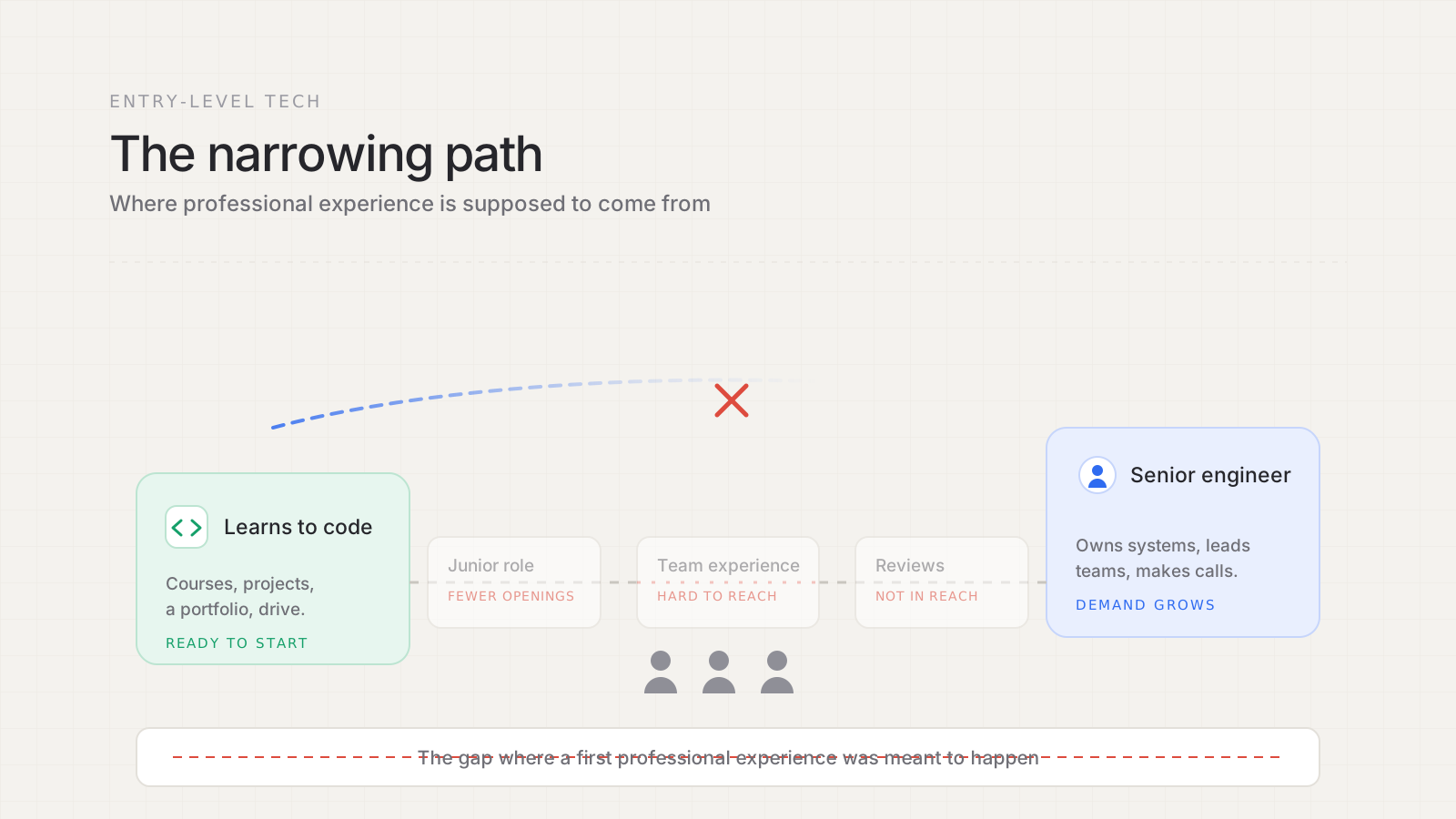
There is a question the technology industry needs to answer. How do you expect someone to have two years of professional experience when nobody is willing to give them their first opportunity?
For years, the traditional path into tech was relatively straightforward. You learned to code, built projects, applied for junior roles, joined a team, learned from experienced engineers, and gradually became better at your work.
That path was never easy, but it gave people a place to start.
Today, that starting point is becoming harder to find.
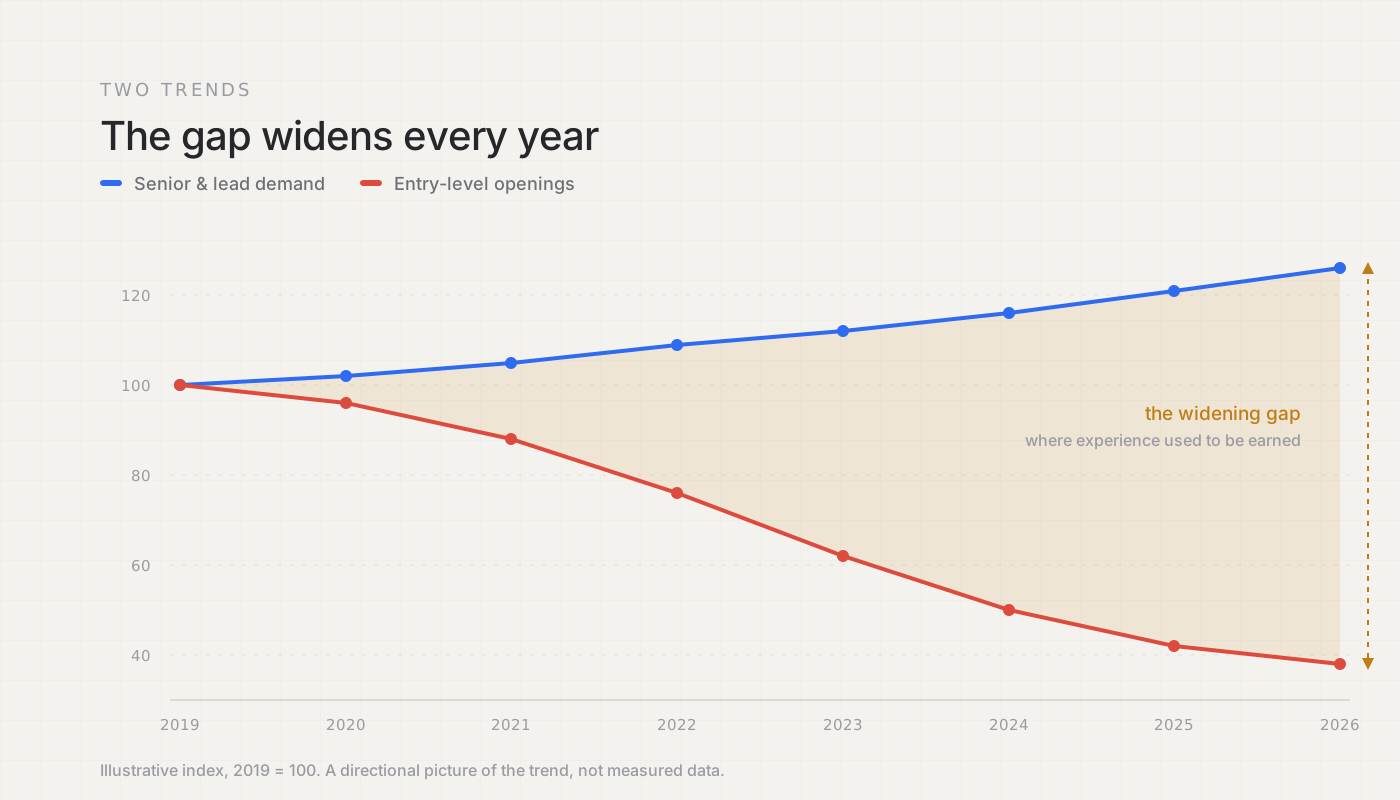
As companies adopt AI tools and rethink how they build software, some are reducing their need for entry-level hires or raising expectations for what junior candidates should already know. A single engineer with the right tools can accomplish more than before, and companies are under pressure to operate with smaller, more efficient teams.
For businesses, these decisions may make financial sense.
But what happens to the people who are supposed to become the senior engineers, technical leads, and CTOs of tomorrow?
The experience trap
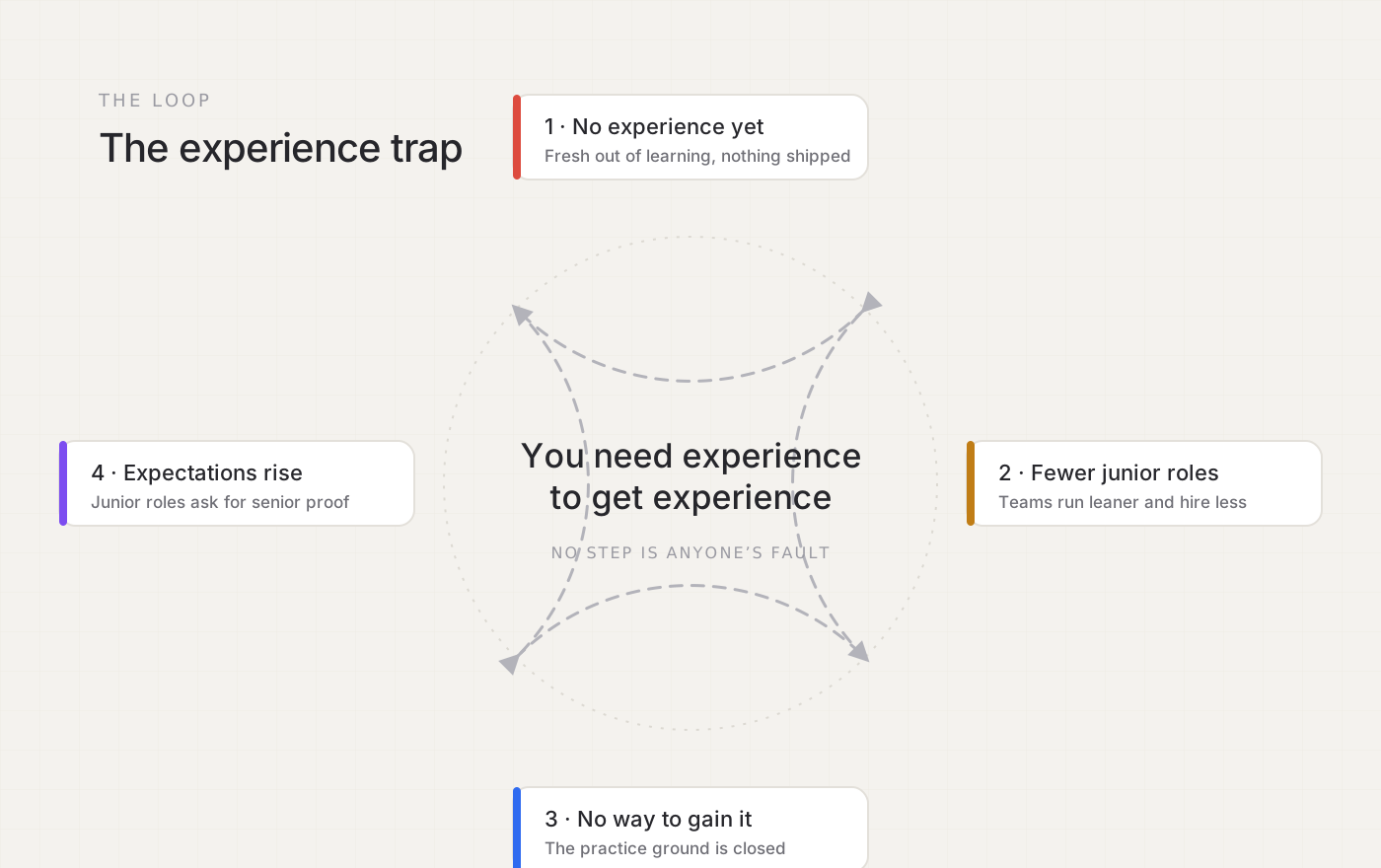
Look through entry-level job descriptions and you will often find requirements that seem contradictory. A role is labelled junior, but applicants are expected to have professional experience, a portfolio of completed projects, knowledge of production systems, and the ability to contribute with minimal supervision.
Where are people supposed to acquire those skills?
Personal projects can teach someone a great deal, but building an application alone is different from working with a team, reviewing someone else’s code, dealing with production issues, collaborating with a product manager, or making technical decisions under real constraints.
Those experiences matter. Employers know they matter, which is precisely why they ask for them.
Yet if the industry closes off the opportunities through which people gain that experience, it creates a cycle that individual techies cannot solve by simply taking another course.
You cannot demand experience from an entire generation while removing the pathways through which that experience is gained.
AI is changing the work, but it does not eliminate the need to develop people
AI is changing software development. Techies can generate code, explore unfamiliar technologies, automate repetitive work, and build prototypes faster than before.
These are genuine advances, and the industry should embrace them.
But writing code is only one part of engineering. Understanding a problem, evaluating trade-offs, reviewing generated code, securing an application, maintaining a production system, collaborating with a team, and taking responsibility for technical decisions require more than the ability to produce a working prototype.
These capabilities develop through practice.
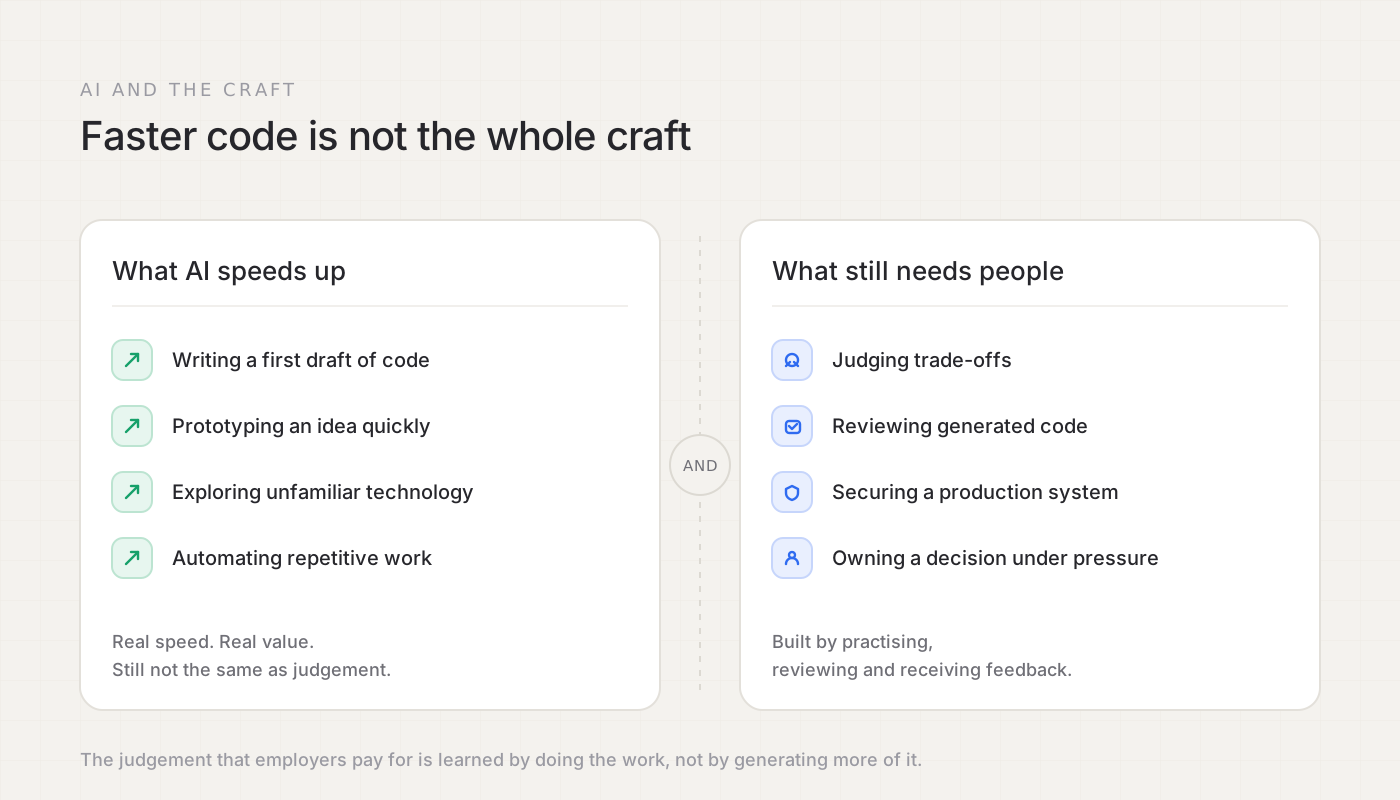
Junior techies need opportunities to exercise their judgment, make mistakes in appropriate environments, receive feedback, and learn from people with more experience. AI can support that process, but it cannot replace every opportunity to participate in real engineering work.
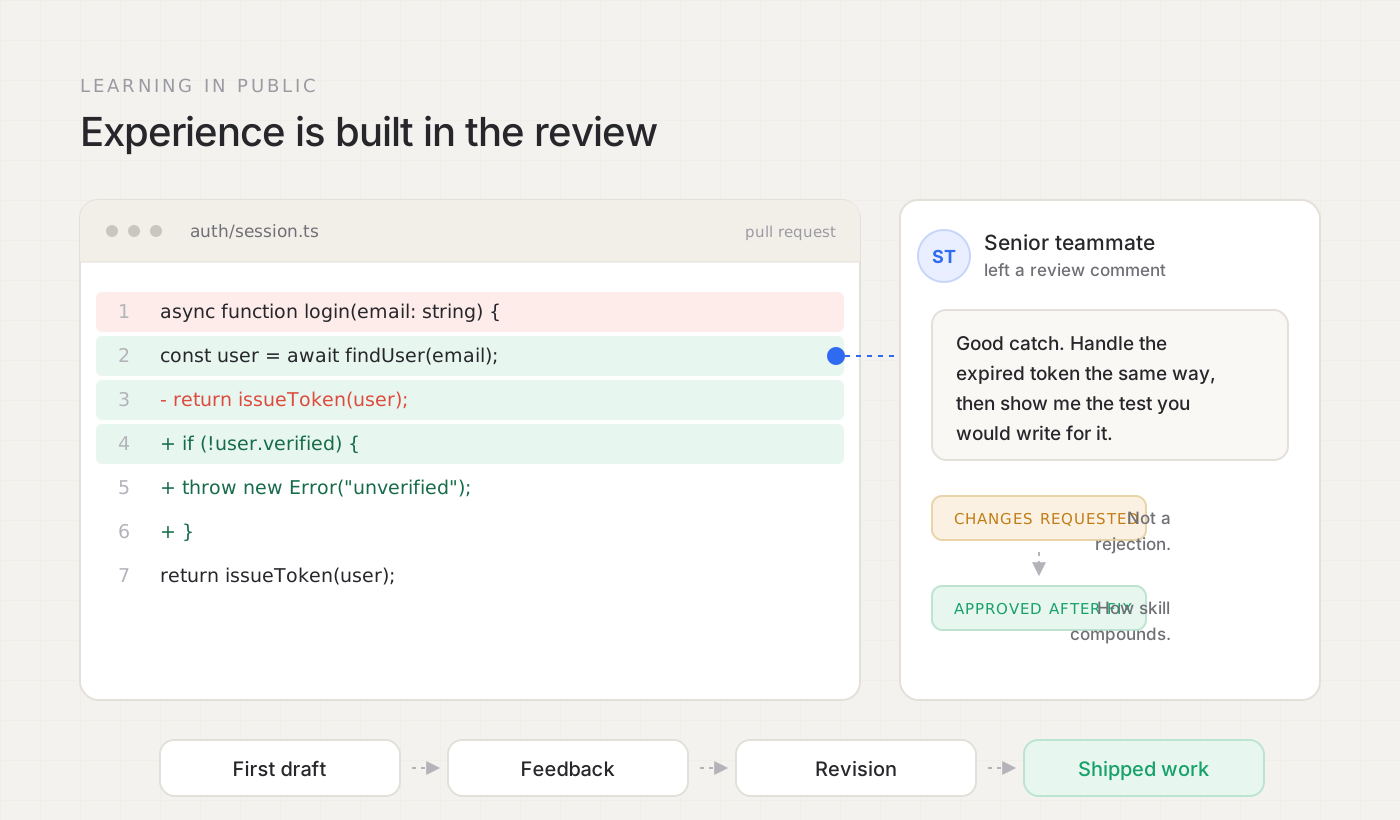
If companies want better engineers, the industry must continue creating ways for people to become better engineers.
Startups have a role to play
Not every startup can afford to hire a large engineering team. Early-stage companies often have important technical problems to solve, limited budgets, and competing priorities.
At the same time, there are capable techies looking for ways to contribute, prove themselves, and gain experience.
Connecting these two groups presents an opportunity.
Startups can identify specific technical needs and find people whose skills align with those needs. Junior techies can contribute to appropriately scoped tasks, work alongside experienced professionals, participate in code reviews, and build evidence of what they can do.
These opportunities must be structured well. Junior talent needs clear expectations, appropriate supervision, useful feedback, and fair compensation where the work warrants it. Startups need a reliable way to assess skills and match people to work they can realistically handle.
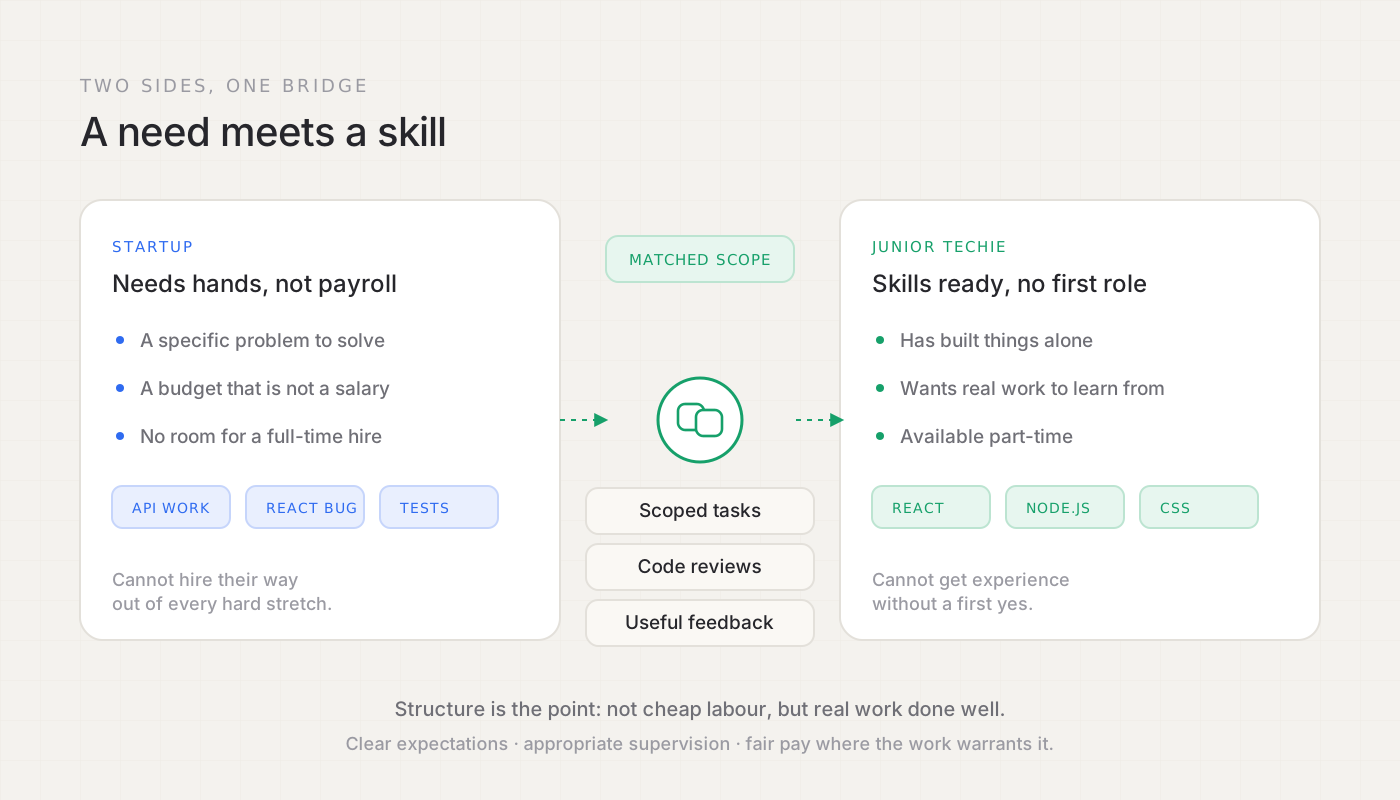
The objective should not be to replace experienced engineers with cheaper junior talent. It should be to create more sustainable pathways for people to develop while helping startups get the support they need.
This is part of the problem StackBrydge is addressing
StackBrydge connects technical talent with startups looking for the skills they need to build and grow their products.
Through its matching approach, the goal is to help startups discover relevant talent while giving technical professionals a more direct route to opportunities that fit their skills and experience.
For junior techies, being discoverable is a useful starting point. A completed profile can communicate their abilities, interests, experience, and the kind of work they are ready to take on. The system can then match their profiles with relevant startup needs.
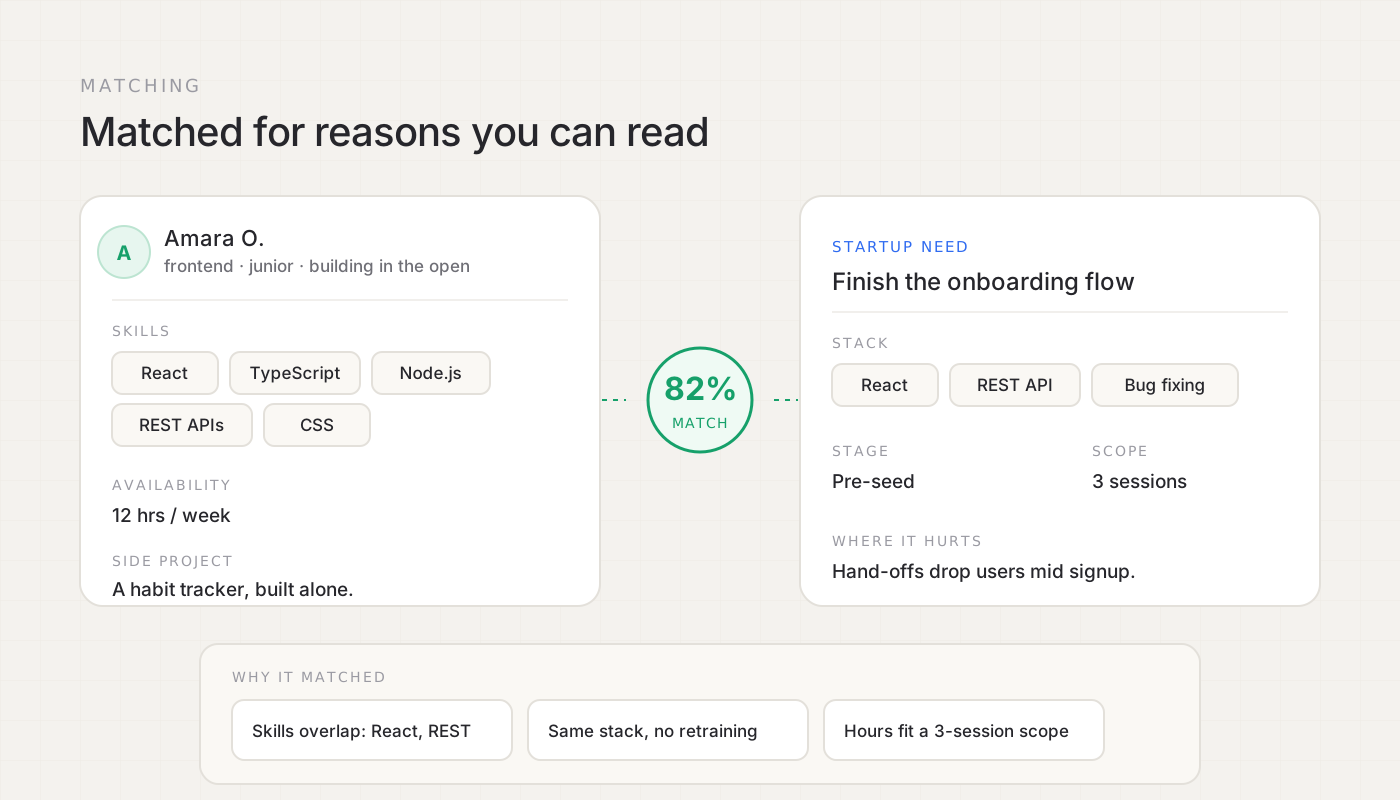
A match is not a guarantee of employment, and it does not remove the need for proper evaluation. But it can help make the connection between talent and opportunity more accessible.
The broader ambition is to help create an ecosystem in which people can demonstrate their abilities through meaningful work rather than being judged exclusively by how many years they have already spent in a job.
Building a startup? Share the technical problem you cannot hire your way out of. Starting out? Build a profile that shows what you can do.
The question we should be asking
The conversation about AI and employment often focuses on how many tasks can be automated and how much more productive a company can become.
Those questions matter. But another question deserves equal attention.
If the industry needs experienced engineers in the future, who is creating the opportunities for today’s junior techies to become them?
Companies cannot expect experience to appear from nowhere. Techies cannot build professional experience entirely in isolation. And the industry cannot assume that everyone will eventually find a way through a shrinking set of traditional entry points.
We need more deliberate pathways into technical work, better ways to evaluate emerging talent, and more opportunities for junior professionals to learn by contributing to real problems.
AI may change how we build software. It should not mean that the next generation has no way to learn how.
If you are a junior techie looking for opportunities to contribute and grow, or a startup looking for technical talent, StackBrydge is working to make those connections easier.
Explore StackBrydge. Create your profile. Let the system match your skills with startup needs.
The future of tech needs experienced engineers. We need to make sure people still have a way to become them.
Junior talent and startups, matched in the open
StackBrydge connects bootstrapping startups with junior techies ready to do real build work. No prior role required, no full-time hire, rated both ways.